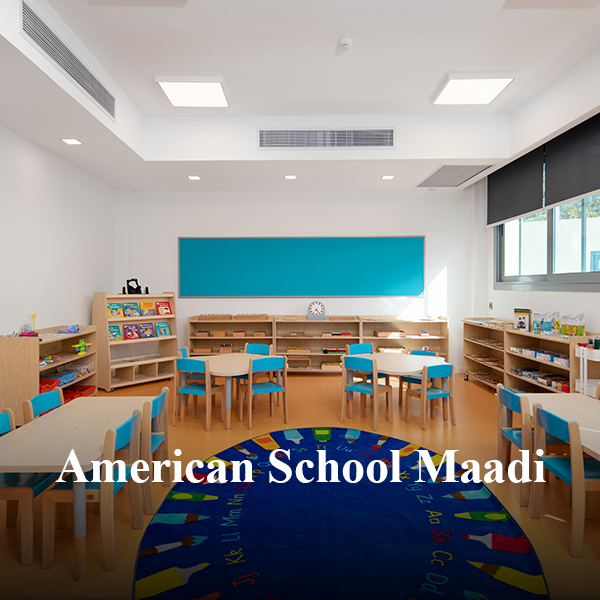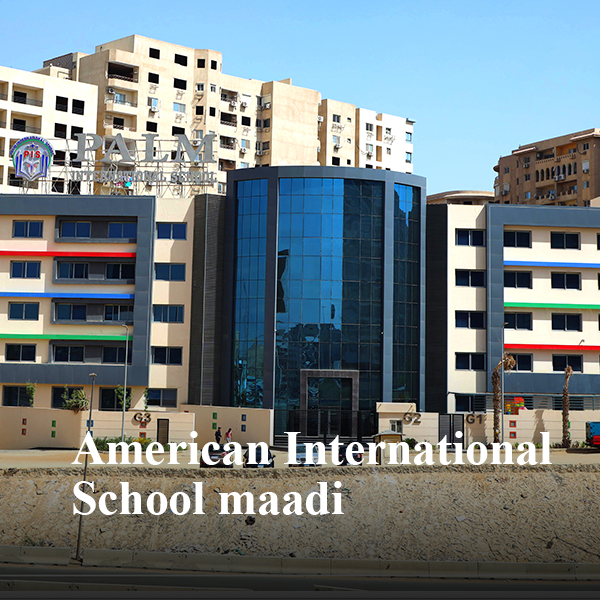

Hidden Impact of International School maadi on Local Education While they introduce global curricula, modern teaching methodologies, and diverse cultural perspectives, they also create a ripple effect on local schools, from inspiring curriculum enhancements to influencing teacher training and raising educational expectations, the presence of an international school can redefine the educational ecosystem.
Hidden Impact of International School maadi on Local Education
Hidden Impact of International School maadi on Local Education can be analyzed from various angles, including social, economic, and educational perspectives, here are some key aspects:
Educational Standards & Competition
- Raising Academic Expectations, influencing local schools to improve their teaching standards.
- Skilled educators prefer to work at international schools due to better salaries and benefits, causing a shortage in local public and private schools.
- school adopt elements of international curricula to stay competitive, leading to an educational shift.
Socioeconomic Divides
- International school cater mainly to expatriates and wealthy local families, creating a divide between those who can afford high-quality education and those who cannot.
- The financial gap means many local students cannot access advanced educational resources or teaching methodologies available in international schools.
Cultural & Linguistic Influence
- A strong emphasis on English and foreign languages in international schools may reduce interest in Arabic-based education.
- Exposure to Western curricula and teaching styles can impact cultural identity and traditional learning methods in local schools.
Economic Effects
- International school set higher tuition standards, influencing private school fees across the city.
- They generate demand for education-related services, such as tutoring centers, bookstores, and extracurricular programs.
University Admissions & Career Prospects
- Graduates from international schools often have better opportunities to study abroad due to globally recognized diplomas.
- Egyptian universities adapt their admission policies to accommodate students from international curricula, potentially disadvantaging local curriculum students.
The Shift in Teaching Methodologies at PIS
Hidden Impact of International School maadi on Local Education is an ever-evolving field, with institutions continuously adapting their teaching methodologies to enhance student learning and engagement, At PIS a significant transformation in teaching methodologies has taken place, shifting from traditional lecture-based instruction to more interactive, student-centered approaches, This shift aims to meet the diverse needs of students, foster critical thinking, and prepare learners for the demands of the modern world:
Incorporation of Technology
One of the most significant changes at PIS has been the integration of technology into the classroom, Smartboards, online learning platforms, and educational apps have replaced conventional teaching tools, providing students with dynamic and interactive learning experiences, Digital assessments, e-books, and multimedia presentations have enhanced comprehension and retention of complex subjects.
Student-Centered Learning
PIS has moved away from a teacher-dominated approach to a student-centered learning model, this method encourages active participation, problem-solving, and collaboration among students, Teachers act as facilitators rather than sole knowledge providers, guiding students to explore and construct their own understanding.
Project-Based and Experiential Learning
To make learning more practical and meaningful, PIS has implemented project-based and experiential learning, this approach allows students to engage in real-world problem-solving, fostering creativity, teamwork, and analytical skills, Field trips, lab experiments, and hands-on projects are now integral parts of the curriculum.
Personalized and Differentiated Instruction
Recognizing that each student has unique learning needs, PIS has adopted personalized and differentiated instruction strategies. Teachers assess students' strengths and weaknesses to tailor lesson plans, ensuring that every learner receives the support they need, this approach helps in maximizing individual potential and improving academic outcomes.
Emphasis on Soft Skills and Holistic Development
Apart from academic excellence, PIS has placed a strong emphasis on developing students' soft skills, such as communication, leadership, and emotional intelligence, Extracurricular activities, group discussions, and public speaking opportunities have been incorporated into the curriculum to nurture well-rounded individuals.
Collaborative and Inquiry-Based Learning
Rather than passive memorization, students at PIS engage in inquiry-based learning, where they pose questions, research topics, and present findings, Group activities and peer discussions encourage teamwork, helping students learn from one another and develop interpersonal skills essential for future careers.
Continuous Professional Development for Teachers
To effectively implement these new teaching methodologies, PIS has invested in continuous professional development for teachers. Workshops, training sessions, and exposure to global best practices ensure that educators are equipped with the latest pedagogical techniques.
Effects of International School maadi on Student Aspirations
Hidden Impact of International School maadi on Local Education has played a pivotal role in shaping student aspirations by providing a globally competitive education, fostering cultural diversity, and nurturing essential skills for future success, the institution's commitment to excellence has influenced students' academic and career goals, empowering them to aim higher and achieve more:
- PIS offers an internationally recognized curriculum, such as the International Baccalaureate (IB) or Cambridge programs, which emphasize critical thinking, research skills, and interdisciplinary learning, this global perspective equips students with the knowledge and competencies required to pursue higher education in prestigious universities worldwide.
- With a strong emphasis on language acquisition, PIS ensures that students become proficient in multiple languages, including English, Arabic, and additional foreign languages, this multilingual environment enhances cognitive abilities, broadens career opportunities, and encourages students to explore global opportunities.
- The school promotes leadership and soft skills through extracurricular activities, student councils, and community service programs, these initiatives help students build confidence, teamwork, and problem-solving abilities, preparing them for leadership roles in their chosen fields.
- As an international school, PIS brings together students from diverse backgrounds, fostering cultural exchange and global awareness, Exposure to different perspectives encourages open-mindedness and adaptability, which are essential qualities for success in an interconnected world.
- PIS integrates modern teaching methodologies that prioritize inquiry-based learning, innovation, and creativity, by engaging in STEM programs, project-based learning, and real-world problem-solving, students develop a forward-thinking mindset and the ability to adapt to technological advancements.
- The school provides comprehensive college and career counseling, guiding students in selecting suitable academic pathways and professional aspirations, Personalized mentorship, university fairs, and internship opportunities enable students to make informed decisions about their futures.
- PIS instills a sense of social responsibility through service-learning programs and environmental initiatives, Encouraging students to engage in volunteer work and community projects nurtures empathy, ethical leadership, and a commitment to making a positive impact on society.
Hidden Impact of International School maadi on Local Education offers a high standard of global education, its presence has both positive and hidden challenges for local education, it fosters diversity, innovation, and higher academic expectations, but it also contributes to educational inequality and resource allocation issues, addressing these challenges requires collaboration between international and local institutions to create a more inclusive and balanced educational landscape.