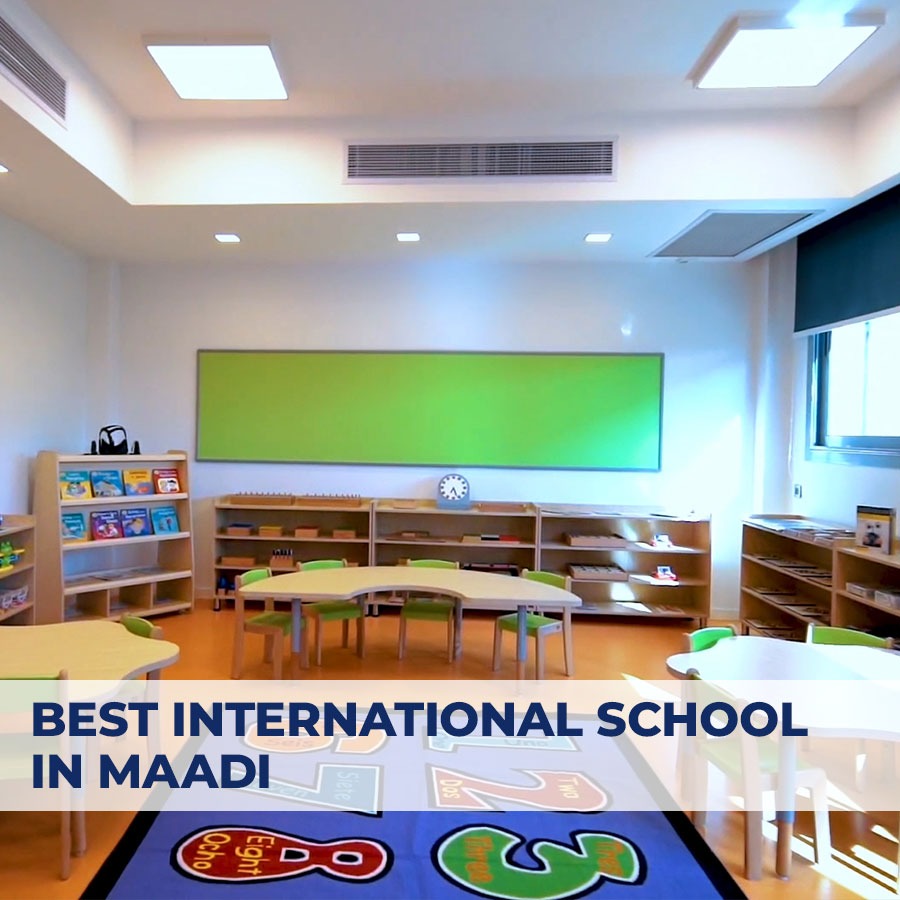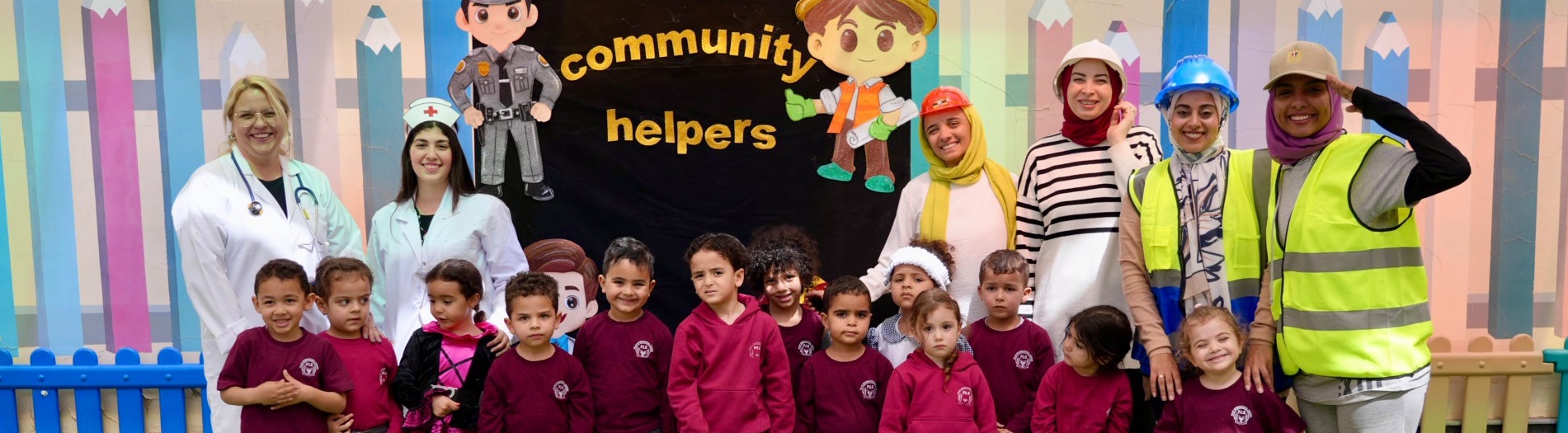

The Crucial Role of International Schools in Maadi cater to a diverse group of students, including expatriates, locals seeking a global education, and diplomats' families, these institutions bring with them a rich tapestry of cultures, languages, and educational philosophies, contributing significantly to the cosmopolitan atmosphere that defines Maadi.
The Crucial Role of International Schools in Maadi
The Crucial Role of International Schools in Maadi, serving as educational institutions that cater to the needs of expatriate families and local residents seeking a global education, here are some reasons why international schools are important in Maadi:
- International schools in Maadi provide a well-rounded and internationally relevant education, exposing students to a variety of subjects and perspectives.
- offer instruction in English or other widely spoken languages.
- diversity fosters a global perspective and cultural understanding among students, preparing them to thrive in an interconnected world.
- attract well-qualified teachers from around the world, contributing to the overall quality of education provided.
- equipped to support students through these transitions, providing continuity in education and offering programs that help students adapt to new environments.
- offer a wide range of activities contribute to the holistic development of students and provide opportunities for them to explore their interests beyond the classroom.
- provide guidance and support to students in navigating the college admissions process, ensuring they are well-prepared for higher education and future careers.
Exploring the Crucial Role of International School Maadi
Learning in international schools can offer a range of benefits for students, while individual experiences may vary, here are some common advantages associated with attending international schools:
- helps students develop a better understanding and appreciation of different cultures.
- providing students with the opportunity to become fluent in multiple languages.
- Offer curricula are designed to promote critical thinking, creativity, and a well-rounded education, preparing students for success in international academic environments.
- focus on inquiry-based learning, collaborative projects, and critical thinking skills, encouraging students to become lifelong learners
- provide a wide range of extracurricular activities, including sports, arts, and community service.
- Attending an international school exposes students to a network of peers from around the world.
- Interacting with students from different cultures encourages adaptability and open-mindedness.
- prioritize the development of global citizens who are socially responsible and aware of global issues.
- have a strong emphasis on involving parents in the education process.
- have access to a wealth of resources, including the latest educational technologies, well-qualified teachers with international experience, and a broader range of learning materials.
International School Maadi and Cultural Diversity
Besides explaining the critical role of international schools in Maadi, we will explain how international schools, especially those in diverse areas like Maadi, can contribute to cultural diversity:
- Student Body.
- Multilingual Environment.
- Global Curriculum.
- Cultural Celebrations.
- Extracurricular Activities.
- Global Perspectives in Teaching.
- Parental Involvement.
- Cross-Cultural Competence.
The Evolution of International School in Maadi
the evolution of international schools typically follows broader trends in education and global mobility, here are some general trends that may contribute to the evolution of international schools:
- Curriculum Enhancements.
- Technology Integration.
- Cultural Diversity Emphasis.
- Language Programs.
- Professional Development.
- Community Engagement.
- Sustainability Initiatives.
- Global Partnerships.
In conclusion, The Crucial Role of International Schools in Maadi is undeniably significant in shaping the educational landscape of this vibrant community, these institutions serve as catalysts for cultural diversity, language proficiency, and a global perspective among students.
- Read also about School In Maadi
- Read also about Best International School In Maadi
- Read also about Language Schools In Maadi
- Read also about Best School In Maadi